Moving to Panama: Cost, Visas, Housing & What Life Is Really Like
Could you realistically build a life in Panama? Pathways, costs and the everyday realities.
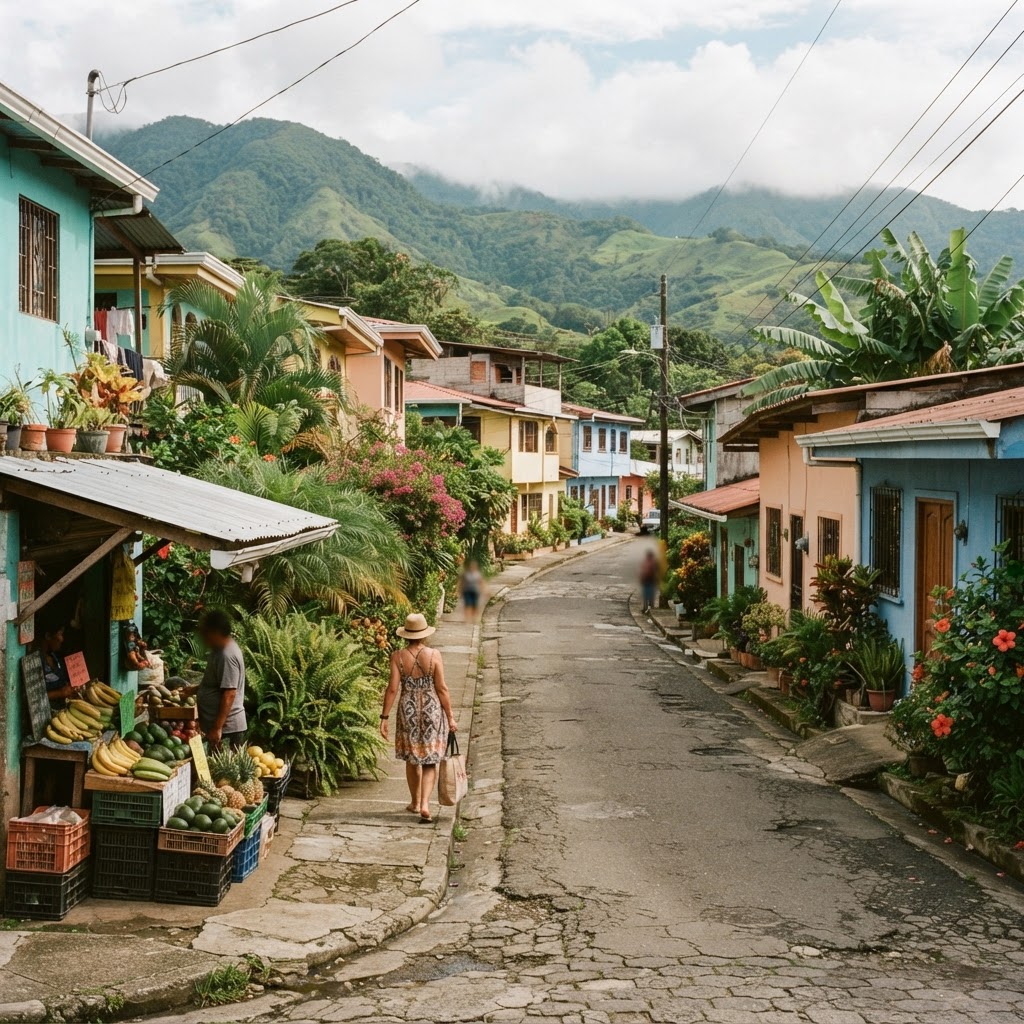
Panama is often described as one of the easiest places in the world to retire.
It uses the US dollar. It has a well-known retiree residence programme. Panama City has modern hospitals and a skyline that surprises first-time visitors. Mountain towns and Pacific beaches are a few hours away.
Those things are real.
But the useful question isn't whether Panama sounds easy.
It's this:
Could I realistically build a life in Panama?
That depends on your pathway, your budget, where you'd live, how you'd handle heat, humidity and Spanish — and how you'd feel about everyday life once you're not on holiday.
This guide follows the AbroadFit framework:
Pathway → Feasibility → Country → Plan → Move → Live
1. Why People Consider Panama
- US dollar — the US dollar circulates as legal tender alongside the Panamanian balboa, which removes currency risk for people with US-dollar income.
- Retiree programme — the Pensionado residence route is widely known and relatively accessible for people with a qualifying lifetime pension.
- Panama City — a modern capital with international banking, shopping, flights and private hospitals.
- Location — generally short flights to the US and a regional air hub for the Americas.
- Variety — city life, cooler highlands, Pacific and Caribbean coasts and small towns within one relatively small country.
- Established expat communities — particularly in Panama City, Boquete, Coronado and parts of the Azuero Peninsula.
These advantages come with trade-offs: heat and humidity, bureaucracy, Spanish outside expat bubbles and, in some areas, limited services.
2. Who Panama May Suit
- Retirees with a qualifying lifetime pension;
- remote workers earning foreign-source income;
- people from eligible “Friendly Nations” with a qualifying economic tie to Panama;
- investors able to meet substantial investment thresholds;
- entrepreneurs with a genuine business plan; and
- people who want proximity to North America and a dollar-based economy.
3. Legal Pathways
Panama has several residence routes. The right one depends on your nationality, income type and plans.
Pensionado (retiree) residence
According to Panama's embassy and immigration guidance, the retiree route requires a verifiable lifetime pension of at least US$1,000 per month from a government programme or recognised private entity, plus US$250 per month for each dependant. A reduced threshold of US$750 per month is available if you also buy Panamanian real estate worth at least US$100,000. There is no minimum age.
Pensionado status is also associated with a range of legally mandated retiree discounts on some services, entertainment, transport and utilities. Check which discounts apply and how they work in practice.
Friendly Nations residence
Available only to citizens of countries on Panama's Friendly Nations list. Since the 2021 changes, applicants generally need a qualifying economic tie — such as a Panamanian employment contract, owning Panamanian property of at least US$200,000, or a fixed-term deposit of at least US$200,000 in a Panamanian bank. Provisional residence usually comes first, with permanent residence available after a period.
Remote-worker (short-stay) visa
For people working remotely for employers or clients outside Panama. Commonly cited requirements include foreign-source income of at least US$36,000 per year, health insurance and supporting documentation. This is a temporary status and is not generally a direct route to permanent residence.
Investor and other routes
Panama also offers investor routes with significant investment thresholds, and routes linked to employment, business and family ties. Thresholds and conditions change, so confirm current details with official sources.
Documents usually need apostilles and official Spanish translations, and many applicants use a Panamanian lawyer — often required in practice for residence filings.
4. Can You Afford Panama?
Panama is often called affordable, but costs vary widely by location and lifestyle.
In broad terms:
- Panama City — generally the most expensive, especially in modern high-rise neighbourhoods popular with foreigners; also the most convenient for healthcare, shopping and flights.
- Boquete and the Chiriquí highlands — cooler climate and established expat community; costs can be moderate, though popular areas carry a premium.
- Coronado and Pacific beach towns — popular with retirees; convenient to the city, with prices shaped by weekend and holiday demand.
- David — a regional city with lower housing costs and practical services, but hotter and less expat-oriented.
- Azuero Peninsula and smaller towns — often lower cost, quieter and more traditional, with fewer services and more Spanish needed.
- Bocas del Toro — Caribbean island lifestyle with higher costs for imported goods and more limited infrastructure.
Air conditioning can be a significant electricity cost in hot lowland areas. Imported goods are often more expensive than in the US.
Panama isn't “cheap” by default. Housing, air conditioning, healthcare and imported products usually decide your real cost.
5. Housing
- Rent first — many experienced movers recommend renting for several months before buying, and trying different seasons.
- Furnished rentals — common in areas popular with foreigners.
- Deposits — typically at least one month's rent plus the first month upfront, sometimes more.
- High-rise living — common in Panama City; check building fees, generator backup, water supply and noise.
- Humidity — ask about mould, ventilation and dehumidifiers, particularly in lowland and coastal properties.
- Property purchases — rules and title types vary; use an independent Panamanian lawyer for due diligence.
6. Healthcare
Panama has a public healthcare system (including the social-security system, CSS, and Ministry of Health facilities) and a private sector.
Panama City has well-regarded private hospitals, and many foreign residents use private care. Outside the capital and major regional cities, specialist access can be more limited, and serious cases may require travel to Panama City.
Many foreign residents buy local or international private insurance. Premiums generally rise with age, and some policies have age limits or exclude pre-existing conditions.
For US retirees: according to Medicare.gov, Medicare usually does not cover health care outside the U.S., with limited exceptions. Plan your coverage accordingly.
Check the availability of your prescription medicines before moving. This guide is not medical advice.
7. Banking & Administration
Panama is a regional banking centre, but opening a personal bank account as a foreigner can be slow and document-heavy. Banks commonly ask for reference letters, proof of income and source-of-funds documentation, and some are more cautious with certain nationalities.
Other things to expect:
- apostilled and translated documents for immigration;
- in-person appointments and document checks;
- processes that often run more smoothly with a local lawyer or experienced helper; and
- patience — timelines can be longer than advertised.
Keep Your Paperwork Together
Residence applications, bank interviews and immigration appointments often require apostilled originals and copies. A document organiser keeps everything together, and RFID sleeves protect cards while travelling. As an Amazon Associate, AbroadFit earns from qualifying purchases.
TOPBAG Family Passport & Travel Document Organiser
Documents & OrganisationA practical organiser for passports, travel documents, cards and other important paperwork when moving or travelling abroad.
View on AmazonWHonor RFID Blocking Cards — 6 Pack
Travel SecurityCompact RFID-blocking cards designed to provide an additional layer of protection for compatible contactless cards while travelling.
View on Amazon8. Transport
- Panama City has a metro system, buses and widely used taxis and rideshare apps. Traffic can be heavy.
- Between cities, long-distance buses are common and affordable.
- Outside the capital, many residents find a car useful or necessary, especially in rural and beach areas.
Walkability varies: some city neighbourhoods and small-town centres are walkable, but heat, rain and uneven pavements affect how much people walk day to day.
9. Language
Spanish is the official language. English is common in parts of Panama City, in banking and tourism, and in established expat communities.
Outside those settings, Spanish matters — for healthcare, government offices, landlords, tradespeople, smaller towns and building real friendships. Even conversational Spanish makes daily life noticeably easier.
10. Everyday Convenience
- Panama City has large supermarkets, malls, pharmacies and delivery apps, and can feel very convenient.
- Smaller towns have fewer options and more reliance on local shops and markets.
- Power and water — outages can occur in some areas, particularly outside the city; generators and water tanks are common in some buildings.
- Pace — service, repairs and processes can take longer than expected.
11. Amazon & Online Shopping
There is no local Amazon site for Panama, and direct delivery can be limited or expensive.
Many residents use mail-forwarding (courier or “casillero”) services that provide a US address — often in Miami — and then deliver packages to Panama for a fee, usually based on weight.
Things to know:
- import duties and taxes may apply above certain values;
- delivery typically takes longer than in the US;
- some items (such as batteries, liquids or restricted goods) may not be shippable; and
- costs add up for heavy or bulky items.
Plan to buy heavy household items locally and use forwarding services for smaller specialty purchases.
12. Hair, Beauty & Personal Care
Mainstream international beauty and personal-care brands are widely available in Panama City's supermarkets, pharmacies and malls. Selection narrows in smaller towns.
For textured, curly or Afro hair, Panama's diverse population — including Afro-Panamanian communities — means salons and braiders experienced with textured hair can be found, particularly in Panama City and Colón. Specific specialist products may be harder to find or more expensive than at home.
Heat and high humidity can significantly affect hair and skin routines. Many newcomers bring a transition supply of their usual products, then use forwarding services or local shops once they know what works.
Bring a Transition Supply
Refillable bottles make it easy to carry familiar haircare and skincare while you adjust to the humidity and find local alternatives. A portable charger helps on long travel days and during occasional outages. As an Amazon Associate, AbroadFit earns from qualifying purchases.
Tocelffe 18-Pack TSA-Approved Silicone Travel Bottles
Packing & OrganisationRefillable travel containers for taking essential shampoo, conditioner, skincare and toiletries during your move and first days abroad.
View on AmazonMiady 2-Pack 10,000mAh Portable Chargers
Technology & ConnectivityPortable power banks for keeping phones and other USB devices charged during travel and day-to-day life abroad.
View on Amazon13. Groceries & Imported Foods
Local produce, fruit, rice, beans, seafood and chicken are often good value, especially at markets. Panama City supermarkets stock a wide range of US and international brands — but imported products often cost more than in the US.
Outside the capital, selection is narrower. The more your shop relies on imported favourites, the higher your grocery bill.
14. Climate & Housing Comfort
Panama is tropical. Lowland and coastal areas are hot and humid year-round, with a rainy season typically running from around May to November and a drier season in the early part of the year.
The highlands — such as Boquete and other parts of Chiriquí — are noticeably cooler and attract people who dislike constant heat, though they can be wet and misty.
Practical realities include:
- air conditioning costs in lowland areas;
- humidity-related mould on clothes, shoes, leather and furniture;
- insects; and
- storms and heavy rain during the wet season.
Spend time in your preferred area during the rainy season before committing.
15. Making Friends & Community
Panama has active expat communities, especially in Panama City, Boquete and Coronado, with clubs, volunteering and social events that make it easier to meet people early on.
Building deeper connections with Panamanians is usually easier with Spanish. Many residents find a mix of expat and local friendships works best — and that settling takes months, not weeks.
16. Things People May Love
- using the US dollar;
- relatively short flights to North America;
- a modern capital alongside mountains and beaches;
- warm weather (for those who like it);
- established expat communities; and
- retiree discounts for qualifying Pensionados.
These are common observations, not guarantees.
17. Things People May Struggle With
- Heat and humidity — especially in lowland areas.
- Bureaucracy and banking — slow processes and heavy documentation.
- Spanish — needed more than many newcomers expect.
- Infrastructure — occasional power and water interruptions outside the city.
- Imported goods — higher prices and slower delivery.
- Healthcare outside the capital — more limited specialist access.
- Traffic — in and around Panama City.
18. Panama Reality Check
- Pathway — do I genuinely qualify for Pensionado, Friendly Nations or another route?
- Budget — can I live well above the permit minimum in my chosen area?
- Climate — have I spent time there in the rainy season?
- Housing — will I rent first, and have I checked humidity and utilities?
- Healthcare — where is the nearest good hospital, and what will insurance cost at my age?
- Language — am I willing to learn Spanish?
- Tax — have I taken professional advice on how my income would be treated?
- Community — how will I build a social life?
- Plan B — what if it doesn't work out?
19. Who Should Research Panama Further?
Panama may merit deeper research if:
- you qualify for a realistic residence route;
- you value dollar-based finances and proximity to North America;
- you're comfortable with heat — or willing to live in the highlands;
- you're prepared for bureaucracy and learning Spanish; and
- you want a mix of modern city convenience and quieter living.
It may be less suitable if you strongly dislike humidity, need fast and predictable administration, or expect to live on the permit minimum in the most popular areas.
Packing for a Longer Move
Packing cubes keep first-weeks essentials organised and make it easier to live out of a suitcase while you look for a long-term rental. As an Amazon Associate, AbroadFit earns from qualifying purchases.
BAGAIL Packing Cubes
Packing & OrganisationReusable packing organisers designed to separate clothing and essentials and make luggage easier to manage.
View on AmazonIs Panama right for your pathway — or just a popular name?
Your income, pathway, family and priorities decide which destinations genuinely fit.
Free personalised starting point. No purchase required.
Frequently Asked Questions
How can I legally move to Panama?
Common routes include the Pensionado retiree residence, Friendly Nations residence for eligible nationalities, a short-stay remote-worker visa, investor routes and employment or family routes. Requirements change, so confirm with Panama's National Immigration Service or a qualified Panamanian lawyer.
How much income do I need for the Panama Pensionado visa?
Official guidance cites a verifiable lifetime pension of at least US$1,000 per month, plus US$250 per dependant, or US$750 per month if you also buy Panamanian property worth at least US$100,000.
Is Panama affordable?
It can be, depending on location and lifestyle. Panama City's popular neighbourhoods are the most expensive; smaller towns can be much cheaper. Air conditioning, private healthcare and imported goods often raise costs.
Does Panama use the US dollar?
Yes. The US dollar circulates as legal tender alongside the Panamanian balboa, which is pegged to it.
Do I need to speak Spanish in Panama?
You can manage in parts of Panama City and expat areas with English, but Spanish is important for healthcare, government offices, smaller towns and integration.
How does healthcare work in Panama?
Panama has public and private systems. Many foreign residents use private hospitals — particularly in Panama City — and buy local or international insurance. Specialist care outside the capital can be more limited.
Is Panama good for retirees?
It can suit retirees with a qualifying pension who value the US dollar, proximity to North America and established expat communities. Consider heat, healthcare access, insurance costs at your age and language.
Can remote workers live in Panama?
Panama offers a short-stay remote-worker visa for people earning foreign-source income — commonly cited at US$36,000 per year or more — with health insurance. It's a temporary status.
What is the Friendly Nations visa?
A residence route for citizens of eligible countries who establish a qualifying economic tie to Panama, such as a local employment contract, a property of at least US$200,000 or a qualifying bank deposit.
How do people shop online in Panama?
Many residents use mail-forwarding services with a US address, then pay per weight for delivery to Panama. Import taxes may apply above certain values.
What everyday differences surprise newcomers?
Common surprises include humidity and mould, air-conditioning costs, slow banking and bureaucracy, occasional outages outside the city, and how much Spanish matters beyond expat areas.
Not Sure Which Country Fits You?
Destinations in this Guide
Related Guides
Moving to Portugal: Cost, Visas, Housing & What Life Is Really Like
A practical guide to moving to Portugal — legal pathways, affordability by region, housing, healthcare, language and the everyday realities newcomers often underestimate.
Read GuideMoving to Costa Rica: Cost, Visas, Housing & What Life Is Really Like
A practical guide to moving to Costa Rica — Pensionado, Rentista and other routes, costs by region, housing, CAJA healthcare, language and the everyday realities newcomers often underestimate.
Read GuideCan You Really Retire Abroad on $1,000–$1,500 a Month?
Some people retire abroad on $1,000–$1,500 a month — but headline budgets often leave out healthcare, flights home, residency requirements and emergencies. Here's how to judge whether it could work for you.
Read GuideHow Much Money Do You Really Need to Move Abroad?
There is no single amount everyone needs to move abroad. Your real number depends on your pathway, household, housing, income gap, relocation costs and emergency reserve. Here’s how to calculate it.
Read Guide